Introduction and South Atlantic Engineering Profile

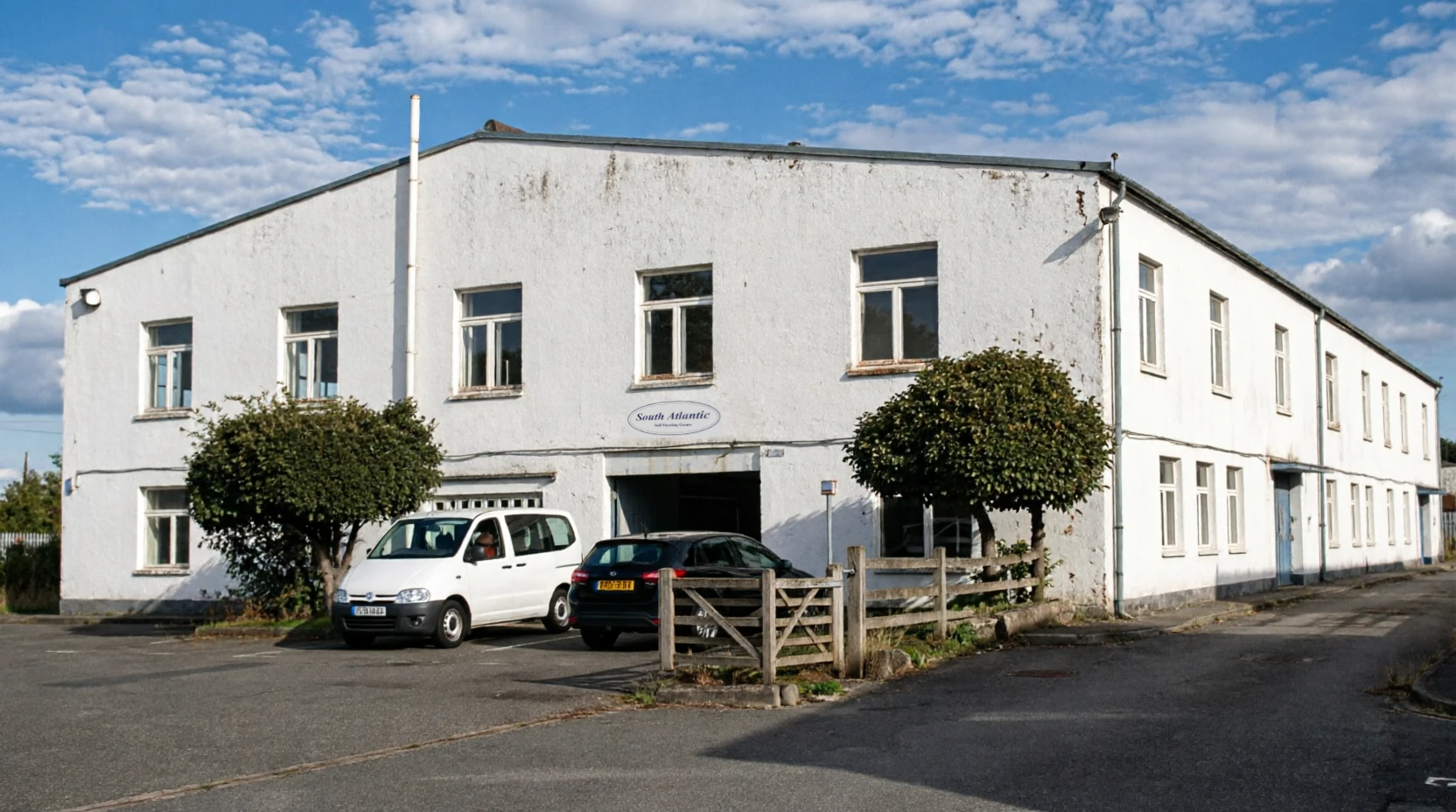
South Atlantic design and manufacturing facilities

Since 1987, South Atlantic Self-Steering Gears™ has positioned itself as a global benchmark in the manufacturing of windvane self-steering systems. The company's operations are sustained by a strategic symbiosis: the technical precision and engineering standards of its design office in Werther (Germany) are combined with the manufacturing robustness of its primary production facility in Buenos Aires, (Argentina).

Our design philosophy moves away from electronic complexity to focus on mechanical reliability. Every unit is engineered under naval architecture criteria to withstand gale-force conditions, prioritizing structural simplicity and material resilience in extreme marine environments.
Efficiency Analysis: Mechanical vs. Electronic Steering

From a technical consultancy perspective, the superiority of a windvane system in bluewater cruising lies in its autonomy and dynamic stability.

  • Zero Electrical Consumption: Unlike electronic autopilots, which represent the highest amp-hour draw on a cruising vessel, South Atlantic systems operate with zero electrical consumption.
  • Dynamic Efficiency: While an electronic autopilot acts reactively, a windvane utilizes the airflow and water flow themselves to adjust the heading, becoming increasingly effective as sail pressure and boat speed increase.
  • Statistical Reliability: Operational data confirms that although 99% of our clients already have an autopilot system in place prior to purchase, once the mechanical unit is installed, the latter takes over steering for 90% of the voyage.

Technical Analysis: Servo-Pendulum Systems

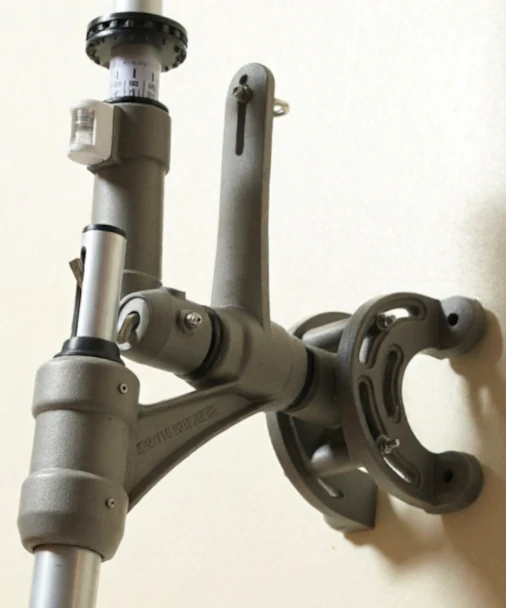
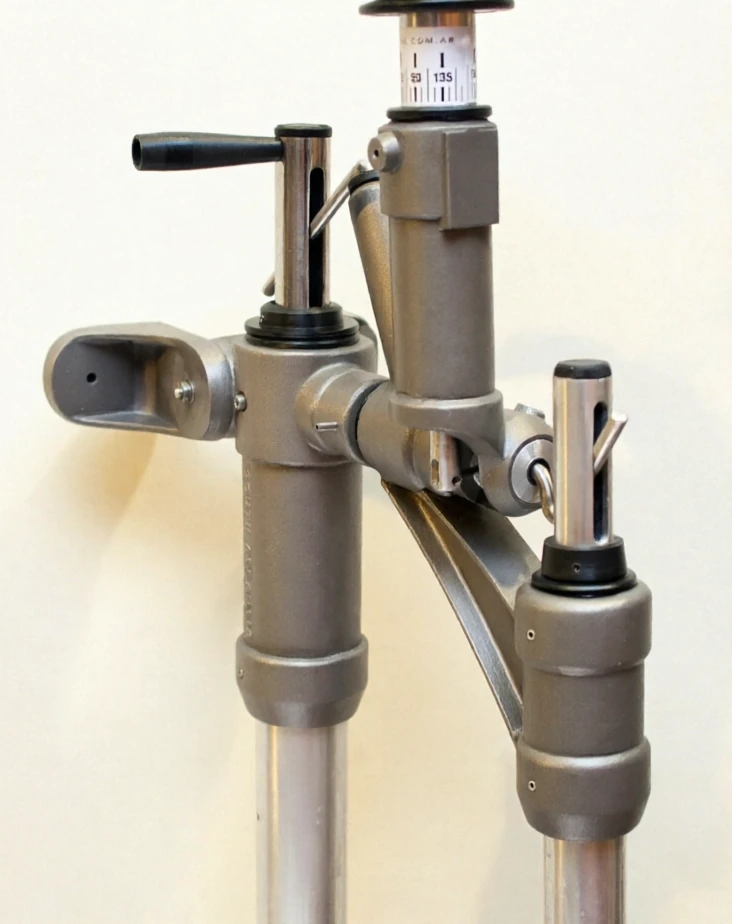
South Atlantic servo-pendulum mechanism close up

The operating principle is based on converting the kinetic energy of the water flow into steering torque. The air vane detects shifts in the apparent wind, causing a transverse pendular displacement of the servo arm. This movement generates massive mechanical force that is transmitted directly to the ship's main rudder.

  • Proportional Torque Generation: Steering force increases linearly with wind speed and the vessel's speed through the water (boat speed), allowing displacements of up to 30 tons to be steered safely.
  • Mechanical Configuration: The design allows the servo-pendulum arm to be swung up out of the water to eliminate hydrodynamic drag when not in use.
  • Direct Transmission: Optimized for tiller-steered vessels, providing an immediate connection with minimal friction loss.
  • Structural Protection: Features sacrificial breakaway or collision-protection systems to prevent structural damage to the transom.
  • Technical Limitations: Presence of steering lines across the cockpit and no intrinsic capability to act as an emergency rudder.

Technical Analysis: Auxiliary Rudder Systems

South Atlantic S 600 auxiliary rudder system

These systems operate independently of the vessel’s main rudder, acting as a secondary, standalone steering unit.

  • Steering Authority: The S 500 and S 600 models possess the technical capability to deflect the auxiliary rudder up to a 35-degree angle, providing exceptional control.
  • Flow Synchronization: The sensing pendulum and the auxiliary rudder are perfectly balanced, yielding superior sensitivity in light airs and faint breezes where other systems fail due to a lack of inertia.
  • Critical Redundant Architecture: Functions as a "Ready-To-Go" emergency rudder system. In the event of a catastrophic failure of the main rudder, the South Atlantic unit assumes total command of the vessel.
  • Maximized Lever Arm: Its position on the absolute aft end of the transom optimizes the turning moment relative to the center of lateral resistance (CLR).
  • Load Management (Countering Weather Helm): Allows the main rudder to be locked in a fixed position to counteract weather helm, delegating only the fine tracking corrections to the auxiliary rudder. This significantly reduces mechanical stress on the entire steering gear.

Product Range and Specifications

The South Atlantic product range covers vessels from ultralight racers to heavy displacement cruisers, ensuring optimal self-steering leverage across all displacement categories.

Model Length Over All (LOA) Key Application
Ultralight Under 20' Daysailers and ultralight racing boats
S 301 18' to 30' Mini 5.80 Class; optimized for pocket ocean racing
L 360 21' to 38' Light to medium displacement cruisers
S 440 24' to 40' Mid-sized family cruising sailboats
S 470 26' to 60' Heavy displacement ocean cruisers; maximum mounting versatility
S 500 24' to 40' Center-cockpit vessels or setups requiring an emergency rudder
S 600 36' to 60' Our most powerful system; total redundancy

Selection Criteria Based on Naval Architecture

Technical recommendations vary drastically depending on the configuration of the vessel's original steering gear:

  • Hydraulic Steering: Hydraulic systems often suffer from "creep" (slow internal fluid bypass and heading drift) and a lack of tactile feedback. Therefore, we exclusively recommend the S 500 and S 600 models, as they bypass the original hydraulic system by acting directly on the water via their own rudder blade.
  • Center Cockpit: Due to the complexity of routing servo-pendulum steering lines all the way to the wheel in these layouts, an auxiliary rudder represents the cleanest and most efficient engineering solution.
  • Technical Customization: We understand that every transom is unique. Consequently, we offer customization for the air vane mast height and the servo-pendulum shaft length to ensure that the vane’s center of pressure and the servo’s immersion remain optimal.

Installation Protocol

South Atlantic windvane transom installation process

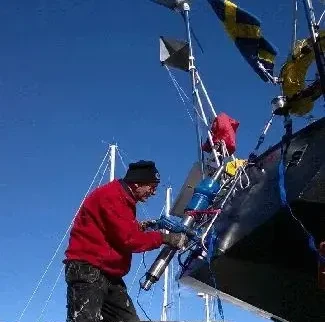
The conceptual design of South Atlantic allows for practical DIY (Do-It-Yourself) implementation by the ship's owner. No heavy machinery or complex structural modifications are required.

The entire process—from unboxing and mock-fitting on the transom to sea trials under sail—is estimated to take between 2 and 4 hours, ensuring an immediate deployment for the passage.

Technical Conclusion

Offshore sailing requiring mechanical reliability

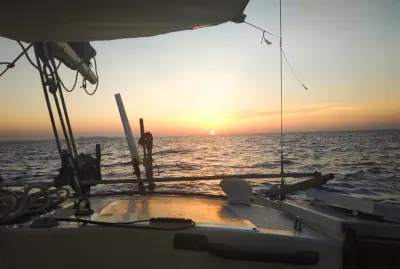
South Atlantic systems are not merely accessories; they are a critical component of a bluewater sailboat's safety architecture.

They act as a tireless crew member that guarantees steering under the harshest conditions without compromising the vessel’s energy reserves. Complemented by safety hardware such as our Fixed Aluminum Mast Steps and Boom Brakes, South Atlantic delivers a marine hardware ecosystem engineered for self-sufficiency at sea.

Technical Resources & Guides

Explore our complete technical library in the FAQ and Technical Reports sections. Our technical documentation covers:

Contact Details

Phone: +54 911 2158 2504
E-mail:
Website: www.south-atlantic.net

South Atlantic
Santiago del Estero 2175
CABA
Argentina

Design & Management

South Atlantic
Weko Park, Werther 33824
NRW, Germany

E-mail:

Newsletter Subscription

Subscribe to our newsletter to receive
the latest news and updates